

You’re Not Alone!
Resources To Help You Thrive.
Health & Nutrition
-

Healthy Eating Tips
A practical guide to making healthier food choices, managing diabetes through smart swaps and easy strategies — from grocery shopping advice to navigating fast food with confidence.
-

How Food Affects Blood Glucose
This resource explains how different foods impact blood glucose levels and offers meal planning basics to help manage blood sugar through diet.
-

How to Read Food Labels
Understanding food labels is crucial for informed choices — this guide breaks down label components so users can spot sugar, carbs, fats, and other key nutrition facts.
-

Diabetes Plate Method Meal Planning
The Diabetes Plate is an easy visual meal planning tool to balance non-starchy veggies, lean proteins, and quality carbs without counting calories or carbs
-

Eating Well & Managing Diabetes
A comprehensive overview of healthy foods with examples like non-starchy vegetables, lean proteins, and diabetes-friendly carbs — ideal for everyday meal ideas.
Exercise & Activity Resources
-

Fitness & Exercise Tips
Physical activity is a powerful part of diabetes care — this page offers tips on starting and sustaining an exercise routine at any fitness level to improve blood glucose control.
-

Physical Activity
A collection of workout videos and handouts from the ADA designed to help people with prediabetes or diabetes build movement into their daily lives. No gym membership needed. (But it is an option too 🙂)
-

Exercise Safety
Increasing your activity level is great for your diabetes and for your overall health, but it should be an enjoyable and safe experience. Here are a few simple things you can do!
-

Overcoming Roadblocks
A roadblock is something that keeps you from doing something else. If you're not active, you likely have at least one roadblock or reason why.
-

Exercising with T1D
Managing T1D during and after exercise starts with learning how your glucose levels respond to exercise of different types. Here’s what you need to know and how to manage it successfully.
Education & Support
-

Support for Your Health Journey
A broad hub with links to education, support groups, caregiver guidance, and tools to help people at all stages of living with diabetes
-

Find Local Programs
ADA-recognized programs help individuals gain knowledge, confidence, and practical skills to manage diabetes through personalized education. Find local programs.
-

Diabetes Patient Education Library
Downloadable handouts and printable guides cover a wide range of diabetes topics — perfect for patients, caregivers, and educators. Education Library
-
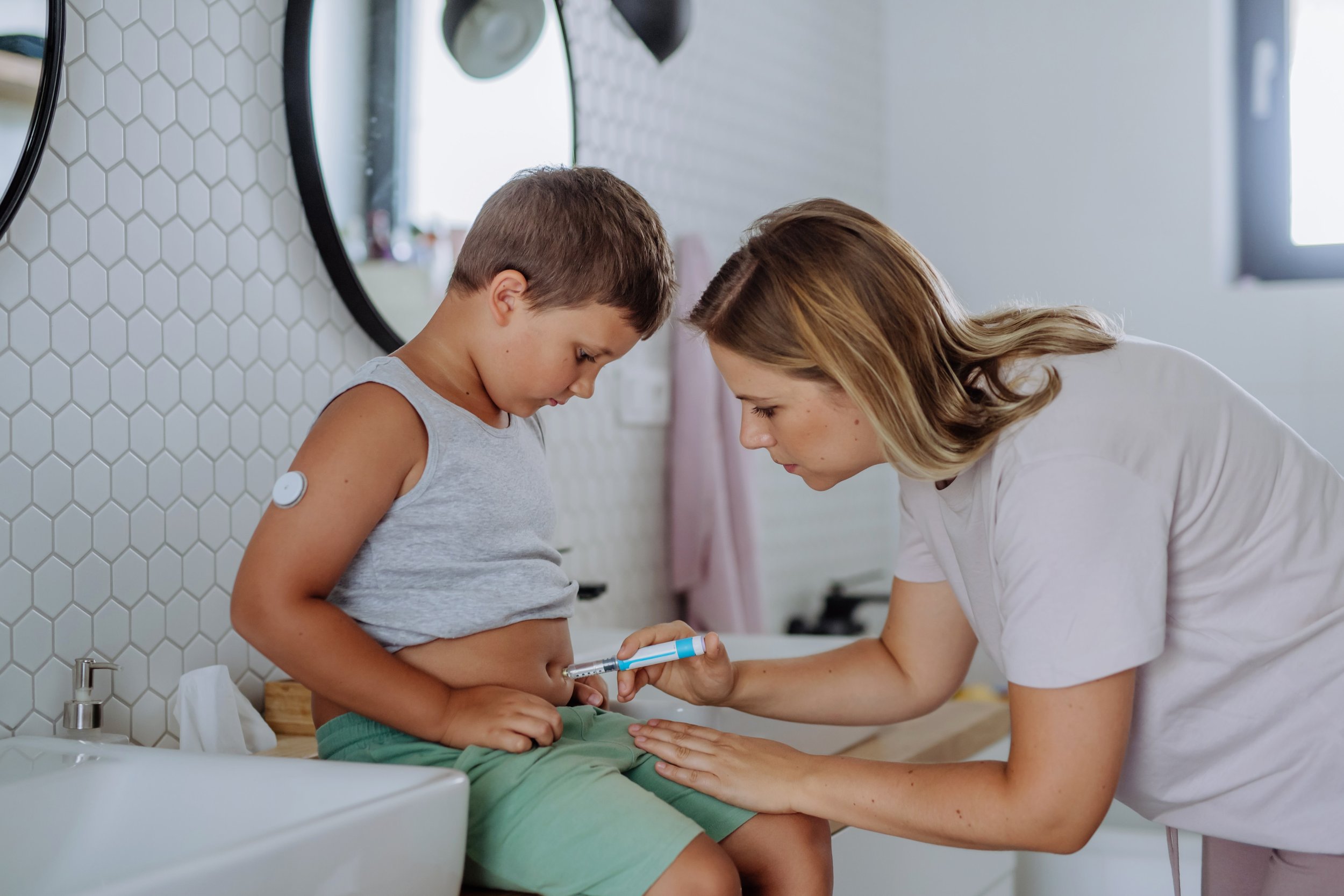
Support for Caregivers
Resources to help family and friends understand the emotional and practical aspects of caring for someone with diabetes. For Caregivers
-

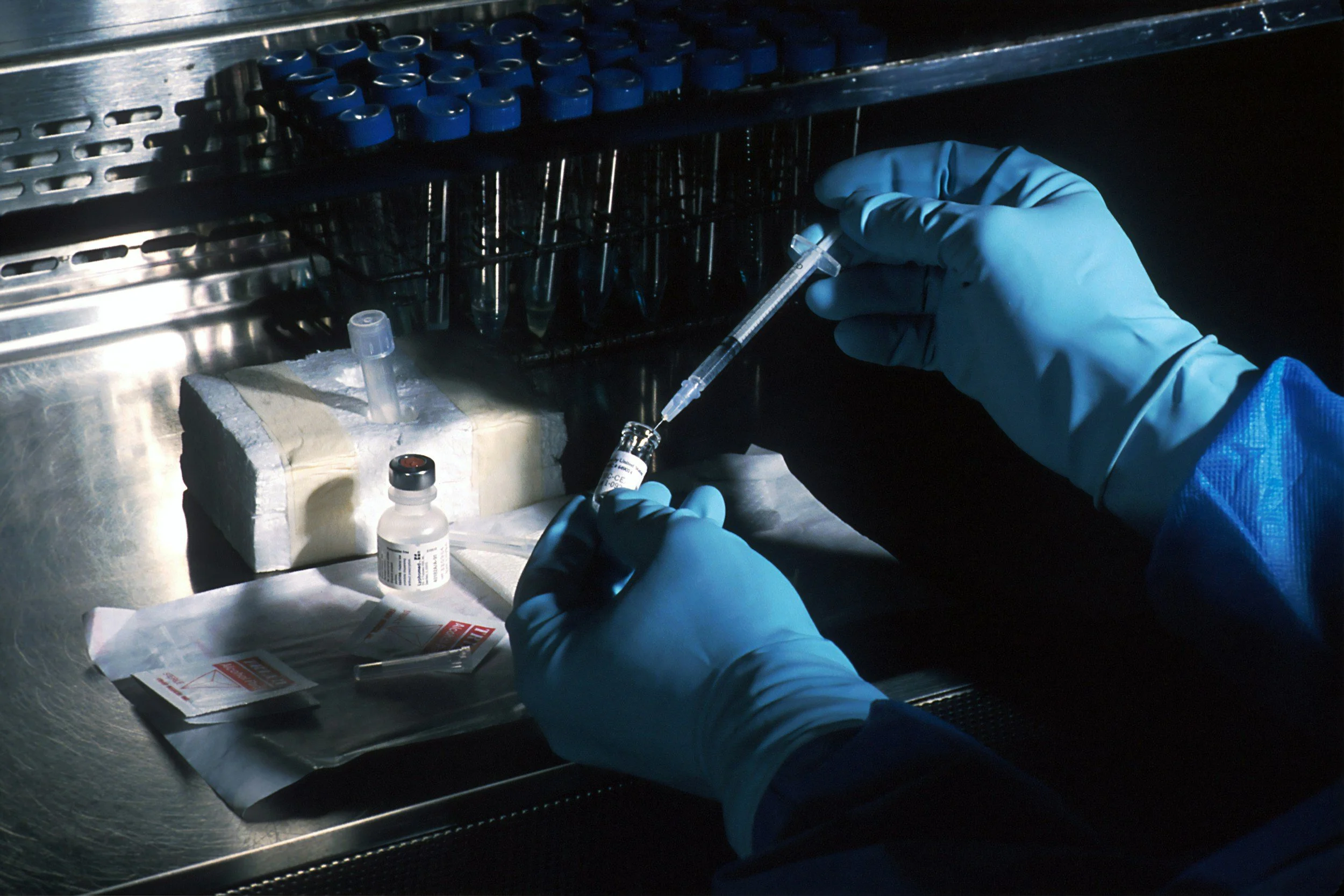
What You Need To Know About
Clinical Trials
-
Clinical trials are carefully controlled research studies that test new medicines, devices, or ways of managing diabetes before they’re approved for general use. They help researchers determine whether a treatment is safe and effective.
👉 Learn more: American Diabetes Association Clinical Trials — https://diabetes.org/tools-resources/clinical-trials -
Trials aim to answer key questions — such as which treatments work best, how to prevent complications, or whether lifestyle strategies help. Some trials test new drugs, others test devices like insulin pumps or monitors. NIDDK
👉 Explore: NIDDK Clinical Trials for Diabetes — https://www.niddk.nih.gov/health-information/diabetes/overview/clinical-trials -
Before a trial starts, scientists develop a protocol — a detailed plan that specifies how the study will run, who can join, and what tests will be done. This protocol must be reviewed and approved by an oversight board for safety and ethics.
👉 What Are Clinical Trials - NIH.GOV
https://www.cc.nih.gov/participate/studies -
To be considered, you’ll go through a screening process where your health is evaluated. If eligible, the study team walks you through a detailed informed consent form explaining the trial’s purpose, procedures, risks, and benefits — and your participation is always voluntary.
-
Like all medical care, clinical trials carry risks — from mild side effects to more serious complications. What these are depends on the specific study, and should be clearly explained before you sign up.
👉 For a general overview of risks and benefits: Risks and Benefits in Clinical Trials — https://www.abbvieclinicaltrials.com/resources/risks-and-benefits-of-participating-in-a-research-study/
-
While not guaranteed, participating might give you early access to promising treatments, thorough medical monitoring, and contribute to science that helps others in the future.
👉 For a general overview of benefits: Risks and Benefits in Clinical Trials — https://www.abbvieclinicaltrials.com/resources/risks-and-benefits-of-participating-in-a-research-study
-
There are many websites that list the available diabetes clinical trials. Here are a few sites that you can use to get started in your research:
NIH -
https://www.niddk.nih.gov/health-information/diabetes/overview/clinical-trialsNIH / National Library of Medicine -
https://clinicaltrials.gov/Breakthough T1D (Formerly JDRF) -
https://www.breakthrought1d.org/explore-research/curing-t1d/American Diabetes Association -
https://diabetes.org/tools-resources/clinical-trials